Serve life
A park that only extracts from its city, its labour, or its occupier is a short business.
The Group
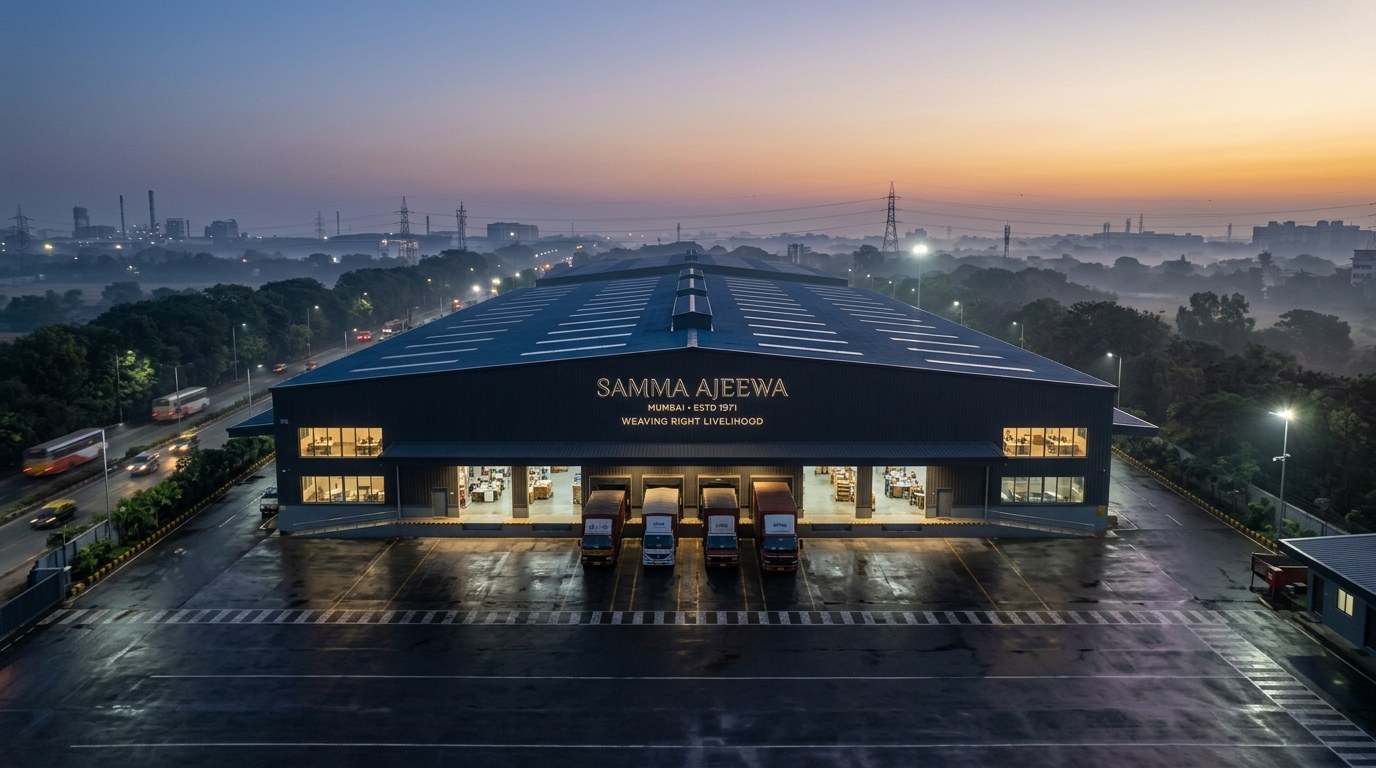
Samma Ajeewa is drawn from ancient Pali. It means right livelihood: business in service of life, not extraction dressed up as growth. The house has used that sentence as a rule since 1971.
“In a world of quarterly thinking, we think in generations. This is not idealism. It is the advantage.”
Elsewhere, this asset class is described as essential infrastructure: the building between a factory and someone else’s customer. The work here is the same. The difference is age and ownership. The landlord has been a Mumbai family since 1971, and the building is held to be run, not to be sold.
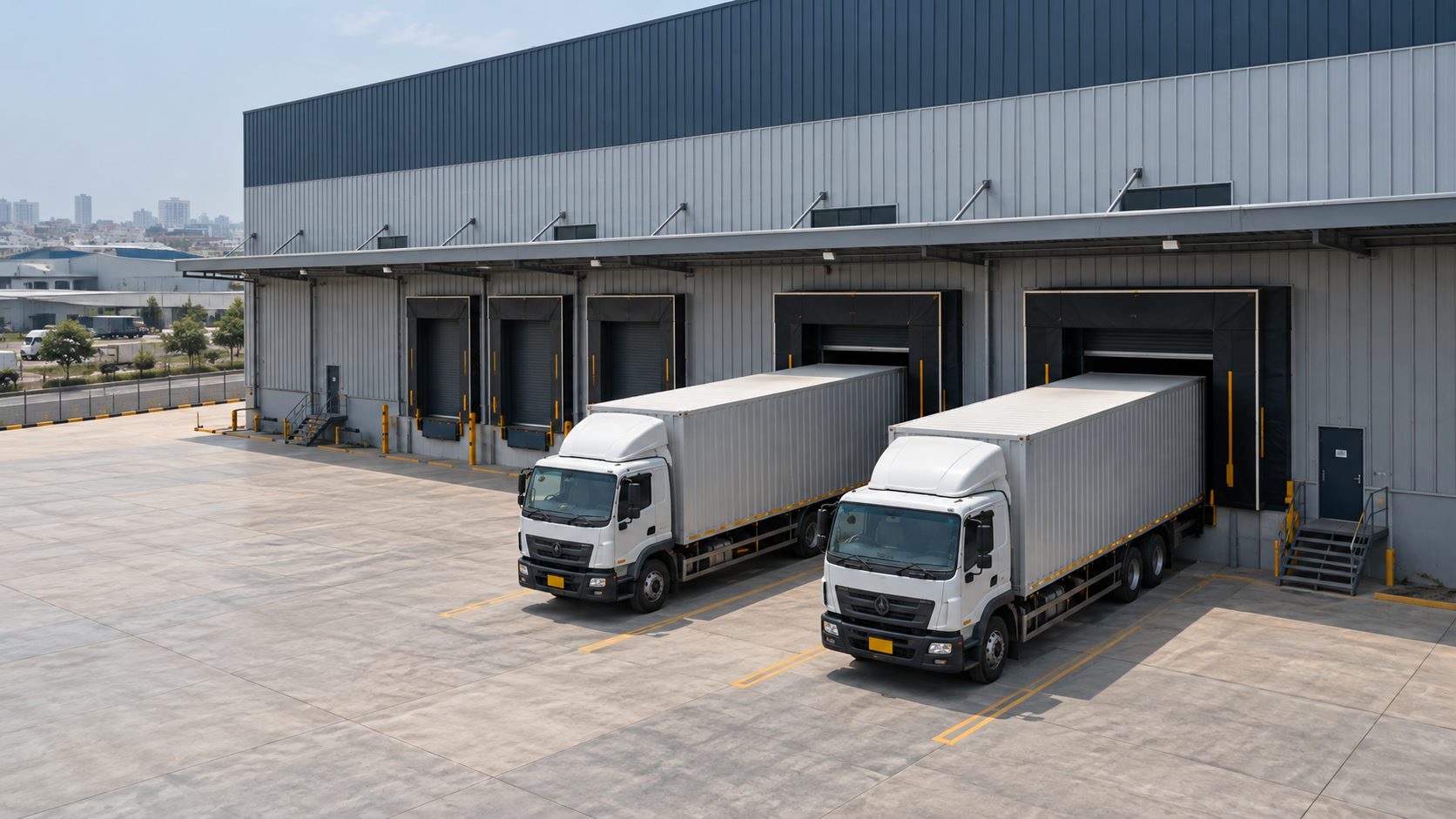
The Group owns what it runs. A property-managed warehouse park, and an industrial park that can hold a warehouse, an office, a research room, a testing room, and the docks. Occupiers in fulfilment, third-party warehousing, FMCG, and light manufacturing and assembly — named in the profile, and many of them still on the books after more than one cycle.
1971
The house is established. The promise is short enough to remember and strict enough to enforce.
The decades
While other names chased attention, the work was parks, occupiers, and a standard that was not allowed to flex.
The present
Property-managed warehouse parks, and industrial parks for more than one use. One specification.
The next 55
The managing director calls the coming half-century more consequential than the first, and treats readiness as a duty rather than a campaign.
A park that only extracts from its city, its labour, or its occupier is a short business.
Buildings should remain useful after the people who commissioned them have gone.
Execution is the communications strategy. Proof is older than the present fashion.
The full argument is set, page by page, in the corporate brochure.
Open at the name